Marketing Has Evolved. And It's Creating More Opportunities Than Ever Before.

When the world shut down, the old playbook became useless. Businesses that survived weren’t the ones clinging to what worked before. 

They were the ones who understood what their customers actually needed.
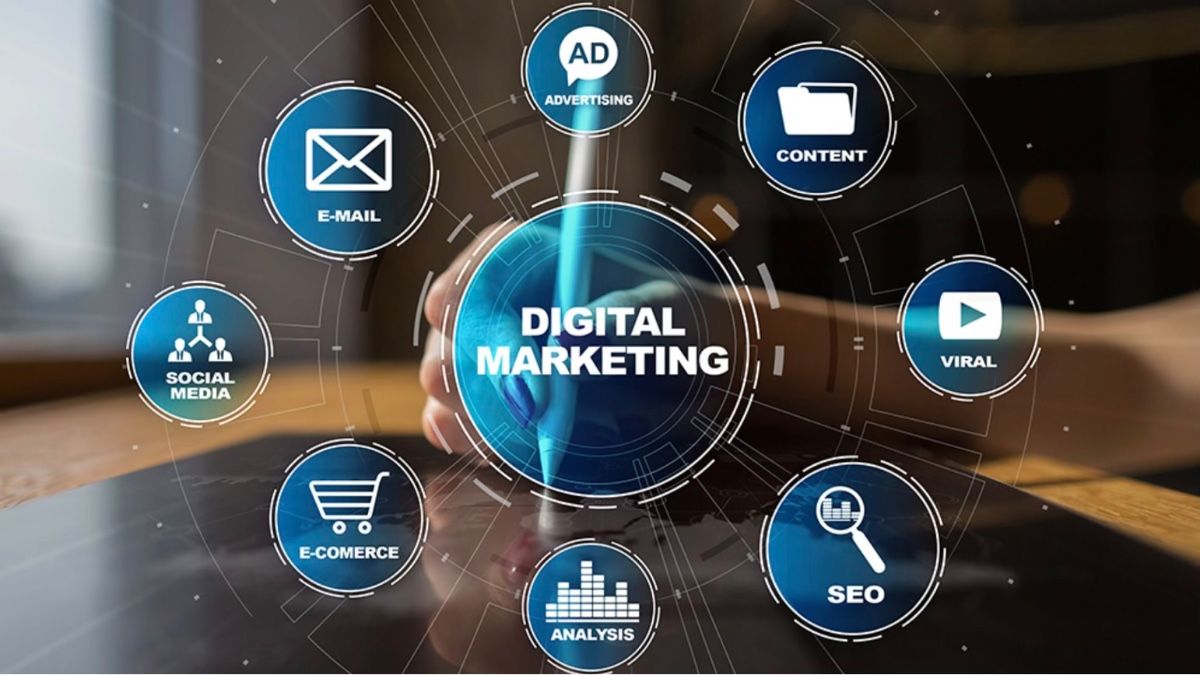
 

Before COVID: Marketing Had Gotten Comfortable

Let’s be real. For a lot of businesses pre 2020, “digital marketing” was an afterthought. A line item in the budget that sat below events and print. Something you delegated to the “young people” because they understood Instagram.

Big brands still poured money into hoardings and mall activations. Local businesses relied on word of mouth and walk-ins. The website existed, but nobody was really asking hard questions about the conversion rate on it.

There was no urgency. The old ways were working fine. Or at least, they seemed to be.

Then March 2020 happened.


What Actually Changed in How Marketing Works

Pre-COVID, content was often an afterthought something you made to fill the feed. Post-COVID, brands that survived and grew were the ones that treated content as genuinely valuable: educational, entertaining, or deeply specific to a niche. People had time to read, to watch, to compare. Shallow content got ignored fast.

Trust became the currency.

With so much uncertainty in the air, people gravitated towards brands and creators they felt they knew. This is when personal brands exploded. When the founder's face became more compelling than the logo. When "authentic" stopped being a marketing buzzword and started being an actual business advantage.

The local-global gap collapsed.

A small business in Chennai could suddenly sell to someone in London. A creator in Coimbatore could build an audience in Canada. Geography stopped being a barrier, and for the first time, being niche was an advantage not a limitation. The internet had always made this possible, but COVID made people actually use it this way.

The Rise of the Digital Marketing Freelancer

Here’s something that quietly happened alongside all of this, and I think it deserves more attention than it gets.

The pandemic didn’t just shift where marketing happened. It shifted who did it.

With remote work normalised and businesses suddenly needing digital expertise they didn’t have in-house, the digital marketing freelancer became a real, viable, and often preferred option. Startups couldn’t afford full teams. SMEs didn’t know where to start. And the rigid agency model expensive retainers, bloated teams, slow turnarounds  stopped making sense for a lot of businesses trying to stay lean.

What made sense was someone who could plug in, understand the business quickly, and move fast.

The digital marketing freelancer filled that gap perfectly. And the ones who thrived weren’t just people who knew how to run ads or schedule posts. They were people who could think like a strategist, communicate like a partner, and execute like a one-person team. The bar got higher. But so did the opportunity.

I’ve spoken to business owners who say they’d never go back to a traditional agency setup after working with the right freelancer. The speed, the ownership, the directness it changes the relationship entirely.

Where We Are Now

We’re a few years out from the worst of it, and the dust has mostly settled. But the marketing landscape that emerged from COVID looks fundamentally different from the one that went in.

Budgets shifted towards performance and content. Creator partnerships became a serious channel. First-party data started mattering more than ever as cookies crumbled. And the expectation of what “good” digital marketing looks like the quality, the personalisation, the empathy went up across the board.

The businesses that are winning now aren’t the ones with the biggest budgets. They’re the ones that understood people changed and changed with them.

And somewhere in all of that disruption, a new generation of marketers built careers, freelance practices, and agencies from scratch many of them starting with nothing but a laptop, a good internet connection, and a willingness to figure things out in real time.

I was one of them. And I wouldn’t change a thing.